
Skin Longevity: How I Learned to Care for My Skin for the Long Run
Updated: Feb 20
By Janerine Nevins | Founder of Pearlypetal | Last Updated: February 5, 2026
Estimated Read Time: 15 minutes

Medical Disclaimer: On Pearly Petal, the information is only meant to teach and tell stories. As a skin care expert, I'm not a doctor. Perimenopause involves significant hormonal shifts; please consult your GP or a dermatologist for medical concerns. Always patch-test new formulations.
Why Skin Longevity Became My Focus (And Why It Might Matter to You Too)
I still remember one cold February morning in the UK when my skin felt tight before I’d even finished my tea. My usual moisturiser wasn’t cutting it, and my face looked dull and tired in the mirror. That was the moment I realised something important: I wasn’t just dealing with “ageing skin.” I was dealing with skin that needed better support.
When I first started diving into skincare, I was fascinated by how much science and nature intertwine to keep our skin healthy and resilient. Over time, I stopped looking for quick cures and started learning about how to keep skin healthy and functional throughout life, not simply how to look younger.
Skin longevity isn’t about fighting your age. It’s about nurturing your skin so it can thrive, whether you’re in your late 30s, 40s, 50s, or beyond. Today, I want to share gentle, science-backed insights and practical habits that have helped me and many Pearlypetal readers build a more sustainable, realistic approach to healthy, glowing skin.
Understanding Skin Longevity Strategies: What Actually Makes a Real Difference Over Time
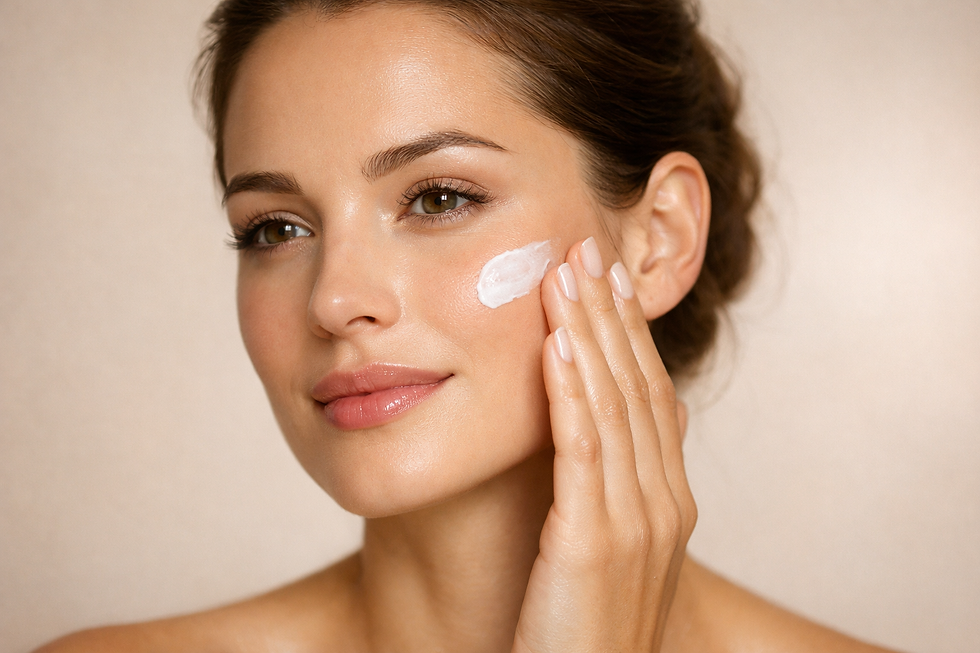
Skin longevity strategies are all about supporting your skin’s health for the long run. Instead of cycling through trends, this approach focuses on protecting, nourishing, and repairing your skin so it stays resilient and comfortable for years to come.
Our skin is our largest organ, and it’s always exposed to environmental stressors like UV radiation, pollution, weather changes, and daily lifestyle habits. On top of that, natural biological changes especially hormonal shifts can affect hydration, collagen, and barrier strength.
In my research and personal experience, the foundations of skin longevity come down to a few key pillars:
Consistent sun protection with a broad-spectrum SPF
Balanced, nutrient-rich nutrition that supports skin from within
Proper hydration, both topically and internally
Stress management and quality sleep, which support skin repair
When you do these things together, they make your skin healthier, calmer, and brighter over time.

Free Download: Skin Longevity Essentials Checklist
To make this easier, I’ve created a simple, printable checklist you can save or print to help you build a gentle, science-backed skin longevity routine—covering daily care, nutrition, and lifestyle habits.
👉 Download the Skin Longevity Essentials Checklist here
Is It True That Most Visible Skin Ageing Comes from the Sun?
You’ve probably heard the claim that around 90% of apparent skin ageing is caused by the sun exposure. While the specific number may changed depending on the study, the core message is absolutely true: UV radiation is the biggest external driver of premature skin ageing.
Ultraviolet rays damage collagen and elastin the fibres responsible for firmness and elasticity. Over time, this leads to wrinkles, sagging, uneven pigmentation, and changes in skin texture. It’s not only UV, either; visible light and infrared radiation can also contribute to oxidative stress in the skin.
This is why daily sun protection is the cornerstone of any skin longevity strategy.
Practical ways I protect my skin include:
Using a broad-spectrum SPF 30 or higher every single day
Wearing hats and sunglasses when I’m outdoors for long periods
Seeking shade during peak sun hours (roughly 11 am to 3 pm)
Avoiding tanning beds, which accelerate skin damage dramatically
Even when the sky is cloudy in the UK, UV rays are still there. One of the most important improvements I've made to my skin is to make sunscreen a must-have.
Nourishing Your Skin from Within: Why Diet and Hydration Truly Matter
I’ve always believed that glowing skin starts from the inside out. What you eat and drink directly affects inflammation levels, barrier function, and how well your skin can repair itself.
Antioxidants are especially important because they help neutralise free radicals unstable molecules that accelerate skin ageing. Vitamins C and E, zinc, and omega-3 fatty acids all play supportive roles in maintaining healthy skin structure.
Some of my favourite skin-supportive foods include:
Berries – rich in antioxidants and vitamin C
Nuts and seeds – full of good, healthy fats and zinc
Leafy greens – packed with vitamins and minerals
Fatty fish – strong source of omega-3 fatty acids
Green tea – contains protective polyphenols
It's equally as important to stay hydrated. Your skin may seem dull and feel less elastic when you don't drink enough water. I try to drink 1.5 to 2 liters of water every day, but I change that based on the weather, how much I move, and how I feel.
It's not about being perfect; it's about making decisions that are always helpful and provide your skin the nutrients it needs to work efficiently.

Why Gentle, Consistent Skincare Routines Outperform Aggressive Trends
One of the biggest lessons I’ve learned, sometimes the hard way, is that more is not better in skincare. Over-exfoliating, over-layering actives, or constantly switching products can disrupt your skin barrier, leading to sensitivity, dryness, and inflammation.
A healthy skin barrier is good for skin longevity. It keeps things like water in and irritants out. Almost every skin problem grows worse when it is damaged.
This is how my simple but successful baseline routine looks:
Cleanse with a mild, pH-balanced cleanser morning and night
Moisturise with a nourishing cream suited to your skin type
Apply sunscreen every morning without exception
Use targeted treatments (like antioxidants or peptides) in the evening
I try to stay away from anything that has a lot of alcohol, a strong smell, or rough physical scrubbing. Instead, I seek for gentle botanical extracts, niacinamide, peptides, ceramides, and hyaluronic acid, all of which help with hydration, healing, and barrier health.
Your skin’s needs can change with seasons, stress levels, and hormonal shifts, so listening to it and adjusting your routine is a form of skincare wisdom, not inconsistency.
The Science Behind Skin Longevity: What Research Continues to Show Us

Skin ageing is affected by both intrinsic factors (like genetics and natural metabolism) and extrinsic factors (such as UV exposure, pollution, smoking, stress, and sleep quality).
Research consistently shows that oxidative stress plays a major role in skin ageing. This is why antioxidants both in skincare and in your diet are so valuable. They help neutralise free radicals before those molecules can damage collagen, lipids, and DNA in skin cells.
Another key factor is collagen. Collagen provides structure and firmness, but production naturally declines with age. Supporting the skin environment with good sun protection, gentle routines, and barrier-friendly ingredients helps slow down the visible effects of this process.
There’s also growing interest in the skin microbiome, the community of microorganisms living on your skin. A balanced microbiome supports barrier function and immune defence, which is yet another reason gentle, non-stripping skincare is so important for long-term skin health.
Embracing Mindful, Real-Life Habits That Support Lasting Skin Health

Skincare doesn’t exist in a vacuum. Stress, sleep, movement, and emotional well-being all show up on our faces eventually. I’ve noticed that when I’m run down or chronically stressed, my skin looks dull, feels more sensitive, and takes longer to recover from even small irritations.
Some habits that have made a real difference for me include:
Practising simple breathing or relaxation techniques
Prioritising 7–9 hours of sleep whenever possible
Staying physically active to support circulation
Protecting time for mental rest and social connection
These habits aren't for the rich. They're part of a plan to keep your skin healthy for a long time. When you take care of your nervous system and health in general, your skin often shows it with less inflammation, better tone, and more regular resilience.
Final Thoughts: Choosing Skin Longevity Over Skin Perfection
One thing I've learnt is that skin health is more about consistency than intensity. It's about making little, helpful choices most days instead of going after big changes that typically come with a price.
Your skin doesn’t need to be perfect to be beautiful. It needs to be calm, protected, nourished, and respected.
By combining science-backed strategies with mindful, realistic habits, you give your skin the best possible chance to stay healthy and luminous for years to come. This isn't about stopping time; it's about getting older with strength, comfort, and confidence.
Here's to skin that feels supported, not stressed, and to a future based on care instead of fixing things.
About the Author.
Janerine Nevins is the founder of Pearlypetal, I am a Skin Health Investigator with a BSc in Health and Social Care, dedicated to the unique skincare needs of women 38 and over. After years in the skincare industry, she realised that mature skin was being overlooked by one-size-fits-all marketing. Janerine focuses on skin longevity, barrier protection, and glow strategies designed to support real skin through real life one science-backed ritual at a time.


Comments