
The Best Foods for Glowing Skin: A Dermatologist-Approved Diet Guide
Updated: Feb 23
By Janerine Nevins | Founder of Pearlypetal | Last Updated: January 16, 2026 | Estimated Read Time: 10 minutes
A quick note from the author:
I am a skincare educator and wellness writer with a background in Health and Social Care and training. I am not a medical doctor nor a registered dietitian. This article is for educational purposes only and does not replace personalised medical or nutritional advice. This article shares educational information and personal experience, not medical diagnosis, treatment, or personalised nutrition plans.
Table of Contents
Why Your Kitchen is Your First Line of Defence for Glowing Skin
The 5 Pillars of a Skin-Nourishing Diet (The Science, Simplified)
The Truth About Sugar, Dairy, and Gluten: What the Science Really Says
A Day on a Plate: What a Dermatologist-Esque Eating Day Looks Like
FAQs: Diet, Supplements, and How Long Until You See a Difference
Conclusion: Nourishment from the Inside Out
Introduction: The Glow That Starts in Your Grocery Cart

If your skin still looks dull, tired, or inflamed no matter how expensive your skincare is, your kitchen not your bathroom might be the real problem. This isn’t a medical claim, it’s a practical, lifestyle-based observation from years of studying how food choices show up on skin.
We’ve all been there. You find a miraculous serum, use it faithfully, and wait for that promised radiance only to be met with the same dull complexion. If this sounds familiar, I want you to consider a radical idea: The most powerful skincare product you’ll ever use doesn’t come in a bottle. It comes on a plate.
For years, I treated my skin as a separate project from the rest of my body. I remember sitting at my vanity one morning, layered in a £100 “glow” mask, while eating toast and jam and wondering why my skin still looked exhausted. That was the moment it clicked: I used surface methods to try to fix a problem with cells.
I’d slather on expensive creams while mindlessly eating foods that undermined their work. It wasn’t until I started my training in cosmetic science and dug into the robust research on nutrigenomics, how food communicates with our cells, that the penny dropped. True, lasting glow is an inside-out job. This isn’t a medical claim; it’s a practical, lifestyle-based observation from years of studying how food choices show up on skin.
This guide isn’t about a restrictive “skin diet.” It’s a practical, evidence-based map of how to eat in a way that actively supports your skin’s health, reduces inflammation, and builds collagen from within.
This article synthesises findings from dermatology-led nutrition studies and guidance published by organisations such as the American Academy of Dermatology and Harvard Health Publishing, alongside clinical research on oxidative stress and collagen metabolism. These sources inform general nutrition and skin health education, but they don’t replace individual medical or dietary advice.
I’ve synthesised advice from leading dermatological nutrition studies and conversations with experts to bring you a sustainable approach. You will learn which drinks actively dry you out, which foods work like serums inside your body, and how to make simple meals that meet your skin's most basic needs. Let's use your next meal to take a strong step toward the beauty you deserve.
1. Why Your Kitchen is Your First Line of Defence

Your skin is your body’s largest organ, and it is a direct reflection of one internal health. Every bite you take can be either a building block or a stressor.
Inflammation: Chronic, low-grade inflammation is a primary driver of skin ageing, acne, and conditions like rosacea. Many processed foods promote this inflammatory state.
Oxidative Stress: Environmental aggressors (like UV rays and pollution) make free radicals that damage skin cells. Antioxidants from food neutralise these attackers.
Building Blocks: Your skin needs specific amino acids, fatty acids, and vitamins to produce collagen, elastin, and a healthy lipid barrier. You literally are what you eat.
As board-certified dermatologist Dr Whitney Bowe emphasises in her research on the gut-skin axis, “A diverse, plant-rich, antioxidant-packed diet is one of the most significant, yet underutilised, tools we have for managing skin health and appearance.” Topical care treats the surface, but dietary care treats the source.
Dermatology and nutrition research consistently shows that skin cell turnover, collagen production, and barrier repair are directly influenced by blood sugar stability, antioxidant intake, and essential fatty acids. Influenced does not mean controlled. Skin health is multifactorial, and food is one supportive piece of a much bigger picture.
2. The 5 Pillars of a Skin-Nourishing Diet

Think of these as the non-negotiable food groups for a luminous complexion.
1. Antioxidant-Rich Colour: (Fight Free Radicals)
Target: Vibrantly coloured fruits and vegetables.
Skin Benefits: Neutralise damaging free radicals, reduce inflammation, protect against UV damage.
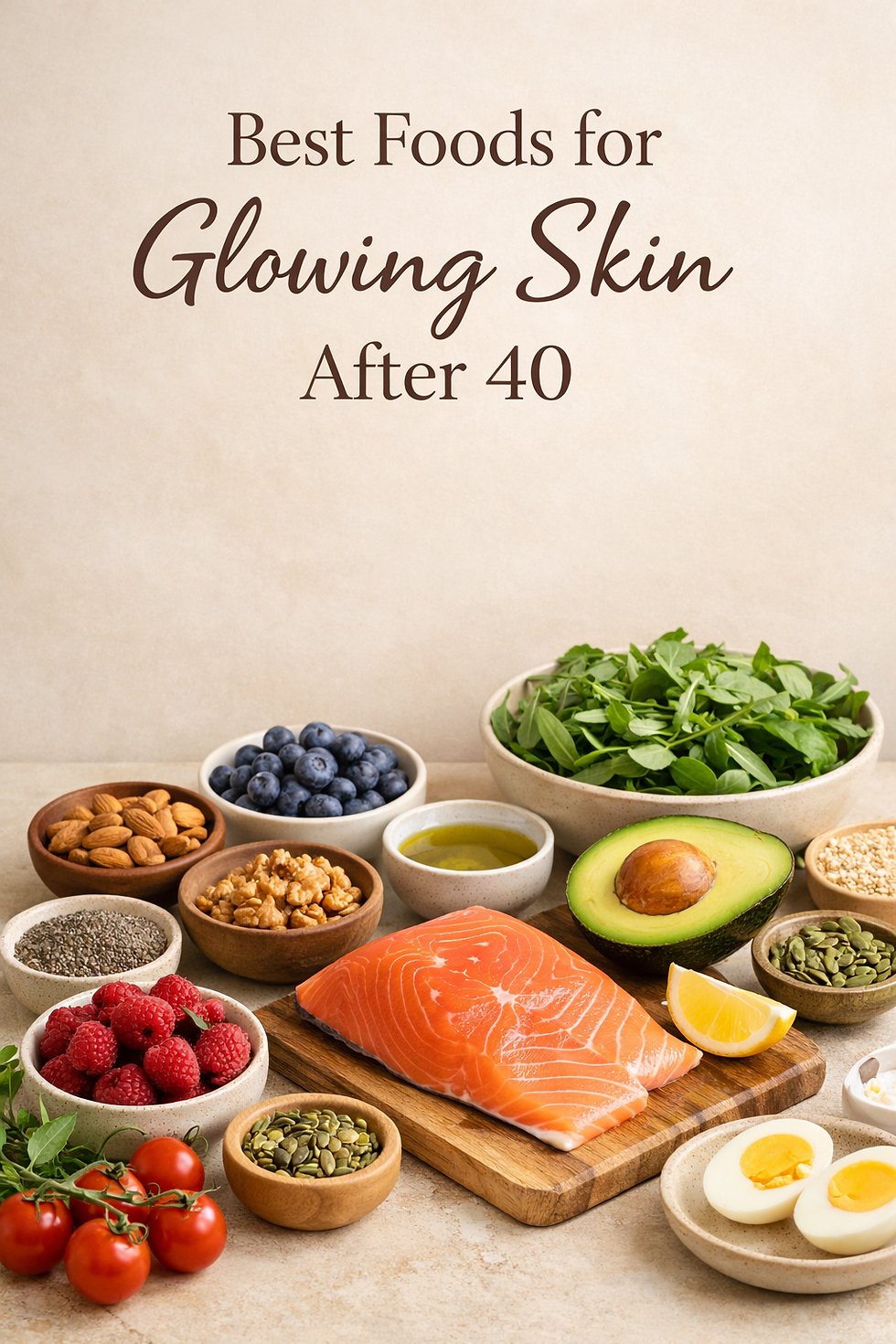
Stars: Berries (blueberries, strawberries), dark leafy greens (spinach, kale), orange & red veggies (sweet potatoes, bell peppers, tomatoes).
2. Healthy Fats: (Strengthen Your Lipid Barrier)
Target: Omega-3 and monounsaturated fats.
Skin Benefits: Fortifies your skin’s natural moisture barrier (preventing dryness and sensitivity) and has potent anti-inflammatory effects.
Stars: Fatty fish (salmon, mackerel), avocados, extra virgin olive oil, walnuts, chia seeds.
3. Lean Protein: (Your Collagen Construction Crew)
Target: High-quality, complete proteins.
Skin Benefits: Provides the essential amino acids (like proline and lysine) that are the literal building blocks of collagen and elastin.
Stars: Chicken, turkey, eggs, legumes (lentils, chickpeas), tofu, Greek yoghurt.
4. Smart Hydrators: (Plump from Within)
Target: Water-rich foods and proper fluids.
Skin Benefits: Improve skin turgor (plumpness), aid in nutrient delivery and toxin removal, and reduce the appearance of fine lines.
Stars: Cucumber, watermelon, celery, herbal teas, and of course, water.
5. Zinc & Selenium: (The Healing Minerals)
Target: Specific mineral-rich foods.
Skin Benefits: Zinc regulates oil production and healing; selenium is a key antioxidant that protects skin elasticity.
Stars: Pumpkin seeds (zinc), Brazil nuts (selenium), whole grains, mushrooms.
3. Your Ultimate "Glow-Up" Grocery List

👉Download the Glow up Grocery List, stick it on your fridge, and take it shopping.
Produce Section:
Spinach, Kale, Swiss Chard
Sweet Potatoes, Carrots
Bell Peppers (all colours)
Broccoli, Brussels Sprouts
Blueberries, Raspberries, Pomegranate
Avocados, Tomatoes
Cucumber, Celery
Protein Aisle:
Salmon (fresh or tinned)
Chicken Breast, Turkey Mince
Eggs
Lentils, Canned Chickpeas
Plain Greek Yoghurt
Pantry & Healthy Fats:
Extra Virgin Olive Oil
Walnuts, Almonds
Chia Seeds, Flaxseeds
Pumpkin Seeds, Brazil Nuts (just 2-3 a day!)
Green Tea
Dark Chocolate (70% cocoa or higher)
4. The Hydration Chapter: What to Drink (And What to Limit)
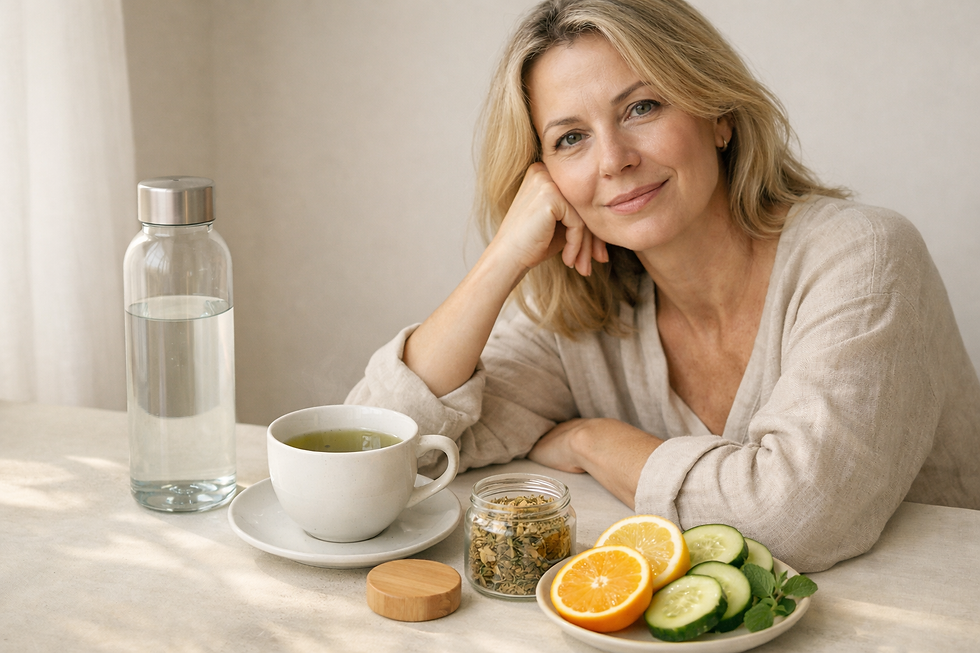
The Gold Standard: Water. Aim for 2+ litres daily. Start your day with a large glass.
The Superheroes: Green tea (packed with polyphenols), Hibiscus tea (rich in vitamin C).
The “Sometimes” Zone: Coffee (in moderation, it’s a diuretic). If you have it, follow it with an extra glass of water.
The Saboteurs: Sugary drinks (soda, juice cocktails), and excessive alcohol. Both cause dehydration, spike blood sugar (leading to inflammation and collagen breakdown), and deplete nutrients.
5. Three Easy Meals You Can Make This Week to Make Your Skin Glow

1. Luminous Lunch: Salmon Salad with Power
Combine canned salmon (omega-3s), mixed greens (antioxidants), avocado (healthy fats), cherry tomatoes (lycopene), and a handful of walnuts. Add lemon juice and olive oil to the dressing.
2. Glowing Dinner: One-Pan Roasted Rainbow
Add broccoli spears, sweet potato cubes, and salmon fillet to a bowl. Season with salt and pepper. Roast at 200°C for 20 minutes. The ultimate skin-building plate.
3. Skin-Smoothing Snack: Berry & Seed Yoghurt Bowl
Top plain Greek yoghurt (protein, probiotics) with mixed berries (antioxidants) and a sprinkle of pumpkin and chia seeds (zinc, omega-3s).
6. The Truth About Sugar, Dairy, and Gluten
This section is about patterns seen in research and in real life, not about diagnosing sensitivities or telling you what you personally must avoid.

This is where I urge a personalised, non-dogmatic approach, based on the science.
Sugar: The evidence is strong. Excess sugar leads to glycation, a process where sugar molecules bind or link to collagen fibres, making them stiff and brittle (“advanced glycation end products” or AGEs). This directly accelerates wrinkling and loss of elasticity. Verdict: Limit added sugars significantly.
Dairy: The link is less clear-cut and highly individual. For some, dairy (particularly skim milk) can exacerbate hormonal acne due to growth factors. For others, it causes no issue. Fermented dairy (yoghurt, kefir) can be beneficial for the gut-skin axis. Verdict: Not a universal enemy. Observe if your skin reacts.
Gluten: Unless you have a celiac disease or a confirmed sensitivity, gluten itself is not a direct skin irritant for most. However, many processed foods containing gluten (cakes, biscuits) are also high in sugar and unhealthy fats. Verdict: Focus on the quality of the carbohydrate, not just the gluten.
7. A Day on a Plate: What a Dermatologist-Esque Eating Day Looks Like

Breakfast: Scrambled eggs with little spinach and sliced avocado on wholegrain toast.
Lunch: Large salad with grilled chicken, quinoa, roasted peppers, pumpkin seeds, and an olive oil vinaigrette.
Snack: Apple slices and a small handful of almonds.
Dinner: Lentil and vegetable curry with broccoli and a side of Greek yoghurt.
Drinks: Water, herbal tea, one coffee.
Treat: Two squares of dark Chocolate.
8. FAQs: Diet, Supplements, and How Long Until You See a Difference
Q: Should I take collagen supplements?
A: The science is promising but evolving. Oral collagen peptides may stimulate your body’s own collagen production and improve skin hydration. However, they are not a magic bullet. Prioritising the protein and vitamin C in your diet (which your body needs to make collagen) is the foundational step. If you choose a supplement, look for hydrolysed collagen peptides and pair it with vitamin C.
If you have a medical condition, digestive disorder, or are pregnant or breastfeeding, always check with a qualified professional before adding supplements.
Q: How long until I see changes in my skin from my diet?
A: Be patient. Skin cell turnover takes about 28 days. You may feel better internally within a week or two, but visible changes in clarity, hydration, and glow typically take 4-6 weeks of consistent change.
Q: Is organic produce necessary for good skin?
A: It’s ideal to reduce pesticide exposure, but it’s not mandatory. Eating more fruits and vegetables, full stop, is far more important than eating only organic. Don’t let the perfect be the enemy of the good.
Q: I have a sweet tooth. What’s the best alternative?
A: Reach for nature’s candy: berries, mango, or a date. For baking, try using mashed banana or unsweetened applesauce to replace some sugar.
Conclusion: Nourishment from the Inside Out

Building a skin-loving diet isn’t about perfection or deprivation. It’s about crowding out the less helpful foods by adding in more of the powerful, nourishing ones. It’s about viewing each meal as an opportunity to support your skin’s resilience, radiance, and long-term health.
Start small. This week, add one extra serving of leafy greens to your dinner. Swap your afternoon biscuit for a handful of berries and nuts. Notice how you feel. The goal isn’t a temporary “skin diet” but a joyful, sustainable way of eating that makes you and your complexion feel vibrantly alive. Think of this as supportive self-care, not treatment, and always personalise it with professional guidance if you have health concerns.
Your skin is a testament to your life. Feed it a beautiful story.
This is also why I pair this way of eating with my Lazy Girl 3-Step Barrier Reset
Food builds the foundation; simple, gentle skincare supports what your body is already doing.
Author Bio
Janerine Nevins is the founder and lead writer of Pearlypetal. With a background in health and social care , she combines scientific research with the lived experience of mature skin. Her mission is to deliver honest, evidence-based skincare advice that prioritises long-term results and holistic well-being. You can read more about her story here.
Editorial Standards & Content Integrity
All of Pearlypetal's health and beauty material must adhere to strict publishing rules:
Medical and nutritional claims are checked against research that has been studied by experts in the field or professional clinical advice.
Expert quotations are sourced from credentialed professionals or reputable medical organisations.
Product mentions are never paid placements.
Affiliate relationships do not influence educational conclusions.
Articles are reviewed annually or when scientific consensus changes.
Reader safety, clarity, and accuracy are prioritised over trends or commercial interests.
Medical & Affiliate Disclaimer
The information on this website is for educational and informational only and is not intended as medical or nutritional advice. Always consult with a qualified healthcare provider, dermatologist, or trained dietitian before making significant changes to your diet, if you have underlying health conditions.
This article contains affiliate links to quality kitchen tools or books that may support this lifestyle. If you purchase through these links, Pearlypetal may earn a small commission at no extra cost to you. This supports our research and content creation. We only ever recommend products we genuinely trust.
© 2026 Pearlypetal. All rights reserved.


Comments