
The Morning I Realised “Anti-Ageing” Was the Wrong Goal
Updated: Mar 10

It was one of those cold, grey February mornings in the UK when the light never quite comes through. While I was waiting for the kettle to boil, I saw myself in the mirror and thought, "Why do I look tired even though I slept?" Not "older," merely "worn." My skin felt like it was getting thinner. My energy didn't return like it used to. I realised that I had been treating longevity as an issue with a product instead of a problem with a daily habit.
That's when I stopped looking for fast cures and started making a regimen that I could stick to on days when I had to pick up my kids from school, days when I had to meet a deadline, and days when the only "workout" was hauling groceries up the stairs.
Here’s the truth I’ve learned the slow way: you don’t age because you miss one miracle serum; you age because of what you repeat every day. The good news? Small, boring, repeatable habits compound. And they work.
What follows isn’t a medical protocol or a treatment plan; it’s a collection of simple, repeatable lifestyle habits that made a visible difference in how I feel and how my skin behaves over time. Below are the 10 small habits I rely on to keep my body resilient and my skin calm, bright, and yes, more youthful over time.
📥 Free Download: Daily Longevity Routine Checklist Want to turn these habits into something you’ll actually stick to? Download the printable checklist I use to stay consistent with my daily longevity routine simple, realistic, and easy to keep on your phone or fridge. |
This checklist is a lifestyle reminder tool, not a health program or medical plan. |
1) Start the Day With Light (Not Your Phone)

I used to grab my phone before my glasses. Bad idea. Light in your eyes first thing in the morning helps set your circadian rhythm—your body’s internal clock. This is about supporting normal daily rhythms, not treating sleep disorders or medical conditions. When that clock is off, sleep, hormones, skin repair, and energy all suffer.
Now, I open the curtains first. Even on those moody, overcast mornings, natural light tells your brain, We’re awake now. I save my phone for after.
Why it matters for longevity: More balanced hormones, better sleep, and improved skin repair are all signs of a better circadian cycle.
Pro-tip (from a mistake): Don’t scroll in bed “just for five minutes.” It turns into twenty, and your nervous system starts the day already stressed.
2) Drink Water Before Hot Chocolate (Yes, Really)
I love chocolate. But I love not looking like a raisin more. I keep a glass of water by the kettle and drink it while it’s heating.
Why it matters: Hydration supports circulation, digestion, joint health, and skin plumpness. It’s not glamorous, but it works.
Longevity upgrade: Add a pinch of electrolytes or a squeeze of lemon if you sweat a lot or wake up feeling groggy.
3) Protect Your Skin Every Single Morning (Even When It’s Cloudy)
This is the most boring advice and the most powerful. UV and visible light damage are responsible for most visible skin ageing. This is general skin education, not a substitute for personalised dermatology advice or medical care. Wrinkles, sagging, discolouration, and loss of flexibility are mostly caused by the sun, not by birthdays.
I have to put on SPF every day, like I have to brush my teeth.
Why it matters: Daily sun protection preserves collagen, prevents uneven tone, and keeps your skin barrier stronger for longer.
If you have melasma or pigmentation, use a tinted mineral SPF with iron oxides. Visible light (from screens and daylight) can trigger pigment, too. I learned that one the hard way.
4) Walk Every Day (Even When You Don’t Feel Like It)
This doesn't have to be a hard workout. I mean to walk. Every day is different. It's 45 minutes some days. When I'm on the phone, some days I pace. I move, though.
Why it matters: Walking is good for your mood, your joints, your circulation, and your ability to respond to insulin. It also makes skin look more "alive" because blood flow brings oxygen and nutrients to cells.
Honest moment: Most of the time, my best skin weeks happen during the weeks when I walk the most. Random event? I don't believe that.
5) Eat for Inflammation, Not Just Calories

I stopped asking, Is this 'healthy?” and started asking, Does this calm or inflame my body? When I eat a lot of sugar, ultra-processed food, and snack all the time, my skin gets irritated, my joints hurt, and I run out of energy.
When I prioritise:
Protein
Vegetables
Healthy fats
Fibre
Colourful plants
My skin behaves. My digestion improves. My mood stabilises.
Why it matters: Chronic low-grade inflammation (“inflammaging”) accelerates ageing from the inside out. This refers to long-term lifestyle patterns, not medical inflammation conditions or diagnoses.
You don’t need perfection. You need patterns.
6) Strength Train (Your Future Self Will Thank You)
I avoided strength training for years because I thought walking was enough. It isn’t, especially after 35. Muscle is a metabolically active tissue. It supports:
Blood sugar control
Bone density
Joint stability
Hormone health
Posture (which makes you look younger instantly)
You don’t need a gym membership. Two or three short sessions a week with bodyweight or dumbbells is enough to make a difference. If you have injuries, medical conditions, or mobility limitations, always adapt this with guidance from a qualified professional.
Longevity reality: After 40, you don’t “maintain” muscle by accident. You either train it or you lose it.
7) Simplify Your Skincare (Your Barrier Is Everything)
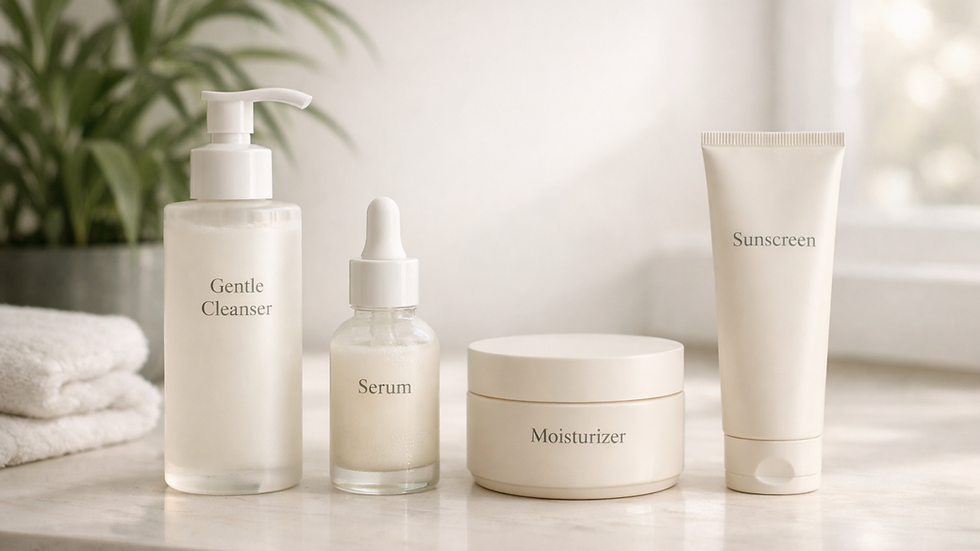
My worst skin years were when I used the most products. Over-exfoliating, over-treating, and over-correcting destroys your skin barrier. A damaged barrier makes skin:
Red
Sensitive
Dehydrated
Prone to pigmentation
Slower to heal
My current rule:
Gentle cleanse
Hydrate
Treat (lightly)
Moisturise
Protect
That’s it.
Why it matters: A strong barrier ages better. Period. This is about everyday skin comfort and resilience, not treating skin diseases or medical conditions.
Pro-tip: When you put water or basic moisturiser on your skin and it stings, stop using actives and let your skin heal first. Don't use more acids to "fix" itching like I did.
8) Sleep Like It’s a Skincare Treatment

Because it is. During deep sleep, your body:
Repairs DNA damage
Produces growth hormone
Rebuilds collagen
Regulates appetite hormones
Calms inflammation
I guard my sleep like it’s a prescription.
My non-glam rules:
Screens off earlier than I want
Cooler bedroom
Consistent bedtime
No “just one more episode” on work nights
Skin truth: No serum can outperform bad sleep.
9) Take Care of Your Stress Like Your Skin Depends on It (Because It Does)

There was a year when my routine was perfect, and my stress was not. My skin looked worse anyway. Chronic stress triggers the release of cortisol. Research in the Journal of Investigative Dermatology suggests that prolonged high cortisol levels can interfere with collagen production and slow down the skin's natural wound-healing process:
Breaks down collagen
Slows wound healing
Causes pimples and discolouration
Makes inflammatory skin problems worse
Now I include little stress-relieving spaces:
Walking without headphones
Five minutes of breathing
Stretching before bed
Saying no more often
Longevity isn’t about eliminating stress. It’s about recovering from it faster. This is general research context, not a medical assessment of stress disorders or hormone conditions.
10) Do Not Think in Weeks, But in Decades
This one made things different for me. If you question, "Will this matter in two weeks?" you will always go after extremes. If you question, "Will this help me in ten years?" you begin to choose:
Consistency over intensity
Habits over hacks
Boring over dramatic
That’s where real longevity lives.
How This Looks in Real Life
There are days when I do all ten habits perfectly. Some days I'm able to do four. I only drink water and go to bed early some days. That's still progress, though. Longevity isn’t built in perfect weeks. It’s built in imperfect years.
Final Thoughts: Younger for Longer Is a Lifestyle, Not a Look

I don’t chase “anti-ageing” anymore. I chase:
Strong joints
Calm skin
Stable energy
Restful sleep
A body that feels like home
The side effect? I look better than I did when I was abusing my skin, under-sleeping, and living on adrenaline. If you take anything from this, let it be this: Your daily habits are either teaching your body how to age well or how to age faster. Think of longevity as a lifestyle direction, not a medical outcome, and always personalise big health decisions with a qualified professional. Choose the ones you can repeat.
About the Author
Janerine Nevins is the founder of Pearlypetal and a Skin Health Investigator focused on skin longevity, barrier health, and realistic routines for women over 35. With a background in Health and Social Care, Janerine writes about ageing, skin, and lifestyle in a way that blends science with real life—no extremes, no perfectionism, and no fear-based beauty advice.


Comments